Important Dates to Remember
January 27th marks the first day you can file your tax return. While you may not have all your forms yet—some investment account statements do not arrive until February—you can start gathering your paperwork now.
April 15th is the deadline to file your return. If you need more time, you can file for an extension, but remember: an extension to file is not an extension to pay. If you owe taxes, you still need to pay by April 15th to avoid penalties.
Average Refunds Are Up
Here is some good news: the average tax refund this year is expected to be around $3,800, which is up 25% from last year. That is a significant increase and another great reason to file early and get your money sooner.
Standard Deduction Increases
The standard deduction has increased significantly. For married couples filing jointly, the first $31,500 of income is now tax-free. This comes right off the top of your adjusted gross income before calculating what you owe.
New Deductions You Should Know About
Senior Bonus Deduction: If you are 65 or older, you get an automatic $6,000 bonus deduction—no itemizing required. This is brand new for seniors this year.
Car Interest Deduction: Up to $10,000 in car loan interest is now tax deductible without itemizing. The catch? Your vehicle must have been assembled in the United States. Check your VIN number using an online VIN decoder to see if your car qualifies.
Tips and Overtime: If you work in a job that earns tips, up to $25,000 in tips is now tax deductible. Additionally, up to $12,500 in overtime pay qualifies for deductions.
SALT Cap Increase: The State and Local Tax (SALT) deduction cap has been raised from $10,000 to $40,000. This is huge news for middle-class families in high-tax states like New York, New Jersey, Connecticut, California, and Illinois. Note: This one requires itemizing, and it is temporary, so take advantage of it while you can.
Tax Credits That Could Save You Money
Electric Vehicle Credit: If you purchased an electric vehicle before September 30th of last year, you may qualify for a $7,500 tax credit. Check if your vehicle qualifies.
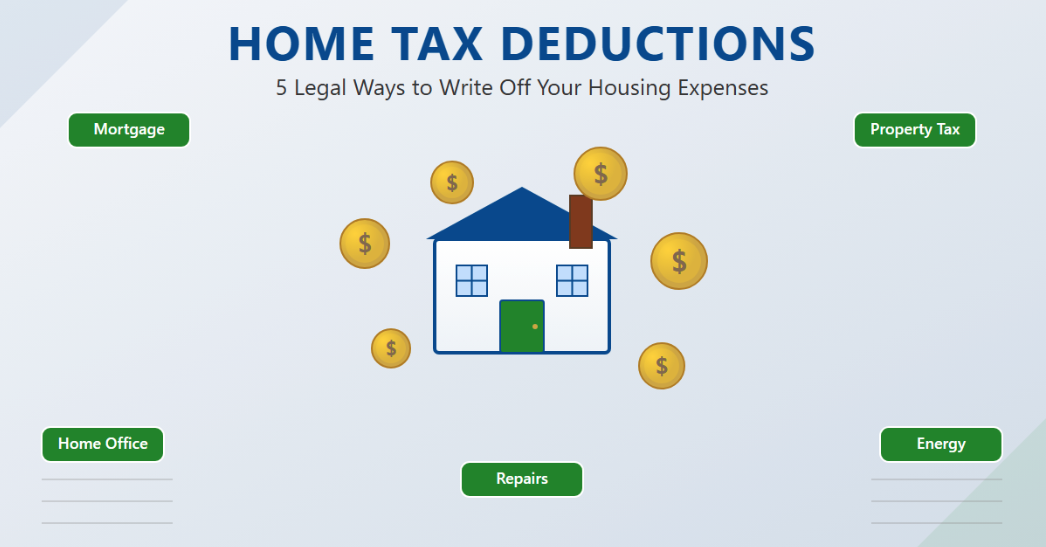
Energy Efficient Home Improvements: Did you install new energy-efficient windows? A new front door? Any qualifying home improvements? Look through your receipts—you may be eligible for additional credits.
Child Tax Credit: The child tax credit has increased to $2,200 per child.
New Baby Savings Accounts: For children born in 2025, 2026, 2027, or 2028, there is a new government-funded savings account program. The government will deposit $1,000 into a new savings account for qualifying newborns. Think of it like an IRA for babies. The forms for this program should be available by summer.
Free Filing Options
If you earn less than $89,000 per year, you can file for free through the IRS Free File program at IRS.gov. Note that the Direct File option is no longer available, so if you used that before, you will need to use an alternative method this year.
Tips for a Smooth Tax Season
- Start gathering your forms now—W-2s, 1099s, and investment statements
- Use direct deposit for faster refunds (the IRS recommends this)
- File early to get your refund sooner
- If you need more time, file an extension before April 15th
- But remember: even with an extension, you must pay what you owe by April 15th
Ready to File?
These changes mean more money back for many taxpayers this year. Do not leave money on the table—make sure you are taking advantage of all the deductions and credits you qualify for.
Need help navigating your taxes? Contact JKJ Enterprises today for a consultation. We will make sure you maximize your refund and stay compliant with all the latest tax laws.
Need Help? Let's Talk!
Have questions about this topic or need personalized guidance? Our team at JKJ Enterprises is here to help you navigate your options.
Contact Us Today